The Ultimate Guide to CPUs for Streaming and Gaming: Choosing Your Powerhouse
Introduction
In the dynamic world of streaming and gaming, your CPU (Central Processing Unit) is the unsung hero that dictates performance. It’s the brain of your computer, handling everything from game logic to video encoding. Choosing the right CPU can be the difference between a smooth, immersive experience and a lag-filled nightmare. This guide dives deep into the world of CPUs, helping you select the perfect processor to conquer both the gaming arena and the streaming stage.
Why the CPU Matters for Streaming and Gaming
- Gaming: A powerful CPU ensures consistent frame rates, reduces stuttering, and allows for higher graphical settings without sacrificing performance. Games rely heavily on the CPU for tasks like AI, physics calculations, and managing game world elements.
- Streaming: Streaming adds another layer of complexity. Your CPU must simultaneously run the game and encode your gameplay into a streamable format. A strong CPU can handle this workload without causing frame drops or compromising stream quality.
Key CPU Specifications Explained
Before we dive into specific CPU recommendations, let’s demystify the essential specifications:
- Cores and Threads:
- Cores: The physical processing units within a CPU. More cores generally mean better multitasking capabilities.
- Threads: Virtual processing units that allow each core to handle multiple tasks simultaneously. A CPU with "hyperthreading" (Intel) or "Simultaneous Multithreading" (AMD) effectively doubles the number of threads.
- Why it matters: For gaming and streaming, more cores and threads allow your CPU to handle the game and the streaming software concurrently, preventing performance bottlenecks.
- Clock Speed: Measured in GHz (Gigahertz), clock speed indicates how many instructions the CPU can execute per second. Higher clock speeds generally translate to faster performance, but it’s not the only factor.
- Cache: A small, fast memory bank within the CPU that stores frequently accessed data. A larger cache can improve performance by reducing the need to access slower system memory.
- TDP (Thermal Design Power): The amount of heat the CPU is expected to generate under maximum load. This is crucial for selecting an appropriate CPU cooler.
- Socket Type: The physical interface that connects the CPU to the motherboard. Different CPU generations use different sockets, so compatibility is essential.
- Integrated Graphics (iGPU): Some CPUs have built-in graphics processing. While not suitable for high-end gaming, an iGPU can be useful for basic tasks or as a backup if your dedicated GPU fails.
AMD vs. Intel: The Great CPU Rivalry
AMD and Intel are the two dominant players in the CPU market. Each offers its own strengths and weaknesses:
- AMD:
- Pros: Generally offers more cores and threads for the price, excellent for multitasking and streaming, often a better value proposition.
- Cons: Single-core performance may sometimes lag behind Intel in certain games, can be more power-hungry.
- Intel:
- Pros: Strong single-core performance, often excels in gaming benchmarks, typically more energy-efficient.
- Cons: Can be more expensive than AMD, fewer cores and threads in some price brackets.
CPU Recommendations for Gaming and Streaming (by Budget)
Note: Prices and availability may vary.
Entry-Level (Budget-Conscious)
- AMD Ryzen 5 5600: A fantastic all-around CPU for budget-conscious gamers and streamers. Offers six cores and twelve threads, providing ample power for both gaming and streaming at 1080p.
- Why it’s great: Excellent price-to-performance ratio, capable of handling most games at medium to high settings, efficient power consumption.
- Intel Core i5-12400F: A strong contender with six cores and twelve threads. Delivers impressive gaming performance, especially in titles that benefit from strong single-core speeds. Note that the "F" designation means it lacks integrated graphics, requiring a dedicated GPU.
- Why it’s great: Excellent gaming performance, competitive pricing, good upgrade path with compatible motherboards.
Mid-Range (Sweet Spot)
- AMD Ryzen 7 5700X: A powerhouse with eight cores and sixteen threads. This CPU excels at both gaming and streaming, allowing you to maintain high frame rates while broadcasting your gameplay.
- Why it’s great: Excellent multitasking capabilities, ideal for 1080p and 1440p gaming, great value for the performance.
- Intel Core i5-13600K: A top performer in the mid-range, boasting a hybrid architecture with six performance cores and eight efficiency cores. This configuration provides exceptional gaming and multitasking performance.
- Why it’s great: Excellent gaming and streaming performance, overclocking potential, efficient power consumption.
High-End (Enthusiast)
- AMD Ryzen 9 7900X: A beastly CPU with twelve cores and twenty-four threads. This processor can handle even the most demanding games and streaming workloads with ease. Perfect for 4K gaming and high-quality streaming.
- Why it’s great: Unmatched multitasking capabilities, ideal for professional streamers and content creators, future-proof performance.
- Intel Core i7-13700K: A formidable competitor with eight performance cores and eight efficiency cores. Delivers exceptional gaming and streaming performance, especially when paired with a high-end GPU.
- Why it’s great: Excellent gaming and streaming performance, overclocking potential, cutting-edge features.
Extreme (Ultimate Performance)
- AMD Ryzen 9 7950X3D: AMD’s flagship gaming CPU, featuring sixteen cores and thirty-two threads with the added benefit of 3D V-Cache technology for unparalleled gaming performance. This is the ultimate choice for gamers who demand the absolute best.
- Why it’s great: Unrivaled gaming performance, exceptional multitasking capabilities, future-proof investment.
- Intel Core i9-13900K: Intel’s top-of-the-line processor with eight performance cores and sixteen efficiency cores. This CPU delivers unparalleled gaming and streaming performance, making it the ultimate choice for enthusiasts.
- Why it’s great: Unrivaled gaming and streaming performance, cutting-edge features, overclocking potential.
Choosing the Right CPU Cooler
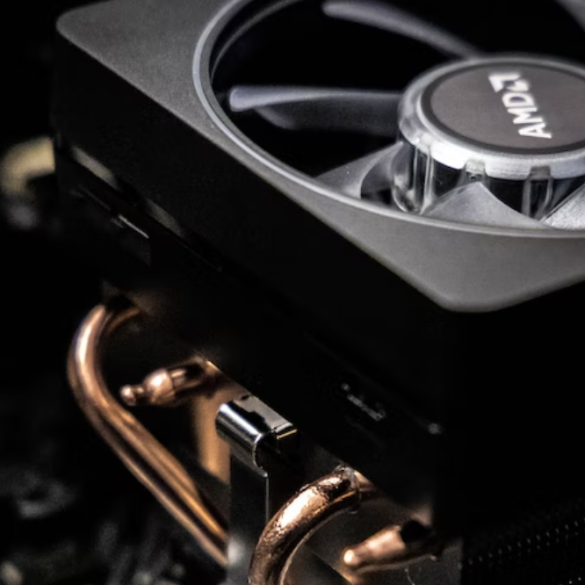
A powerful CPU generates heat, so a good cooler is essential. Options include:
- Air Coolers: Affordable and reliable, but can be bulky.
- Liquid Coolers (AIO): More efficient and aesthetically pleasing, but more expensive.
- Custom Liquid Cooling: The ultimate cooling solution, but requires expertise and a significant investment.
Pairing Your CPU with the Right Components
A CPU is only one piece of the puzzle. To maximize performance, consider:
- GPU: A powerful graphics card is essential for gaming.
- RAM: 16GB is the minimum for modern gaming and streaming, 32GB is recommended for high-end setups.
- SSD: A solid-state drive for your operating system and games will significantly improve loading times.
- Motherboard: Choose a motherboard that is compatible with your CPU’s socket and supports your desired features.
- Power Supply: Ensure your power supply has enough wattage to handle all of your components.
Conclusion
Choosing the right CPU for streaming and gaming can be a daunting task, but with a clear understanding of your needs and budget, you can find the perfect processor to power your gaming and streaming adventures. Whether you’re a casual gamer or a professional streamer, investing in a capable CPU will ensure a smooth, immersive, and enjoyable experience. Remember to consider the CPU’s specifications, your budget, and the other components in your system to make the best decision for your needs. Happy gaming and streaming!